History of stevia
From the Guarani people in Paraguay to the sweetener of the future.
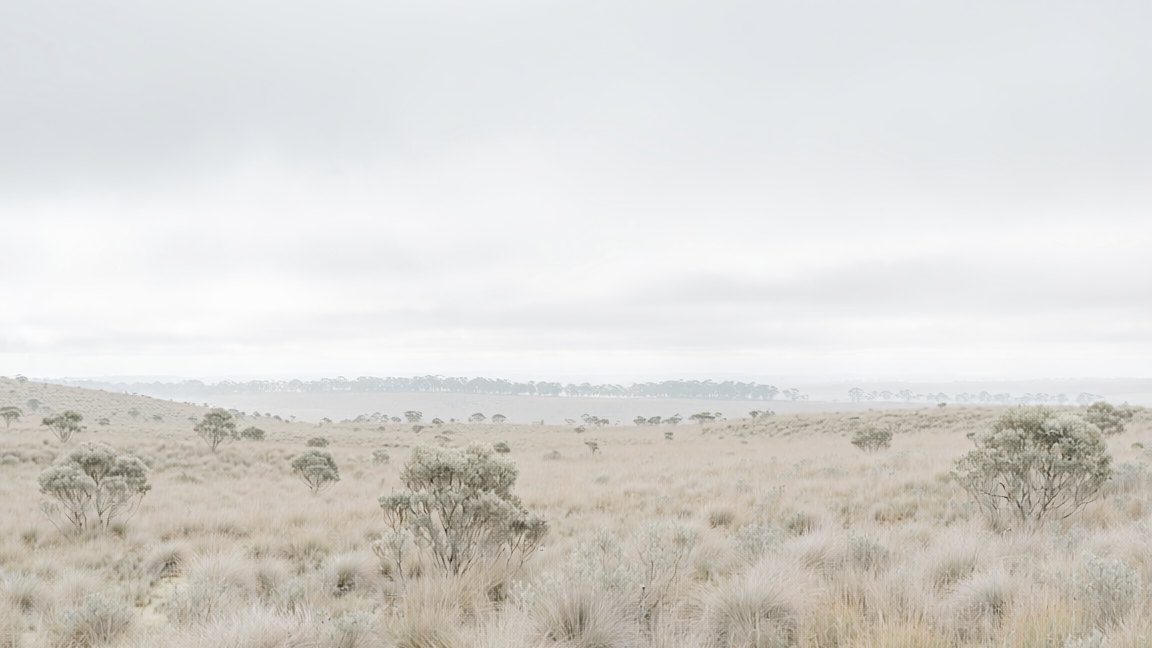
Paraguay
The herb Stevia rebaudiana Bertoni, stevia for short, originally comes from Paraguay. The Guarani people have been using stevia for 1500 years to sweeten herbal tea and food. In the sixteenth century Spanish conquerors took the plants home; that is how Europeans first became acquainted with stevia.
Antonio Bertoni
Only at the end of the nineteenth century did serious interest arise in Western Europe. In 1887 the scientist Antonio Bertoni studied the sweet herb; the first known publications are his. The discovery of a new species was attributed to him and the herb was given the official name Stevia rebaudiana Bertoni.
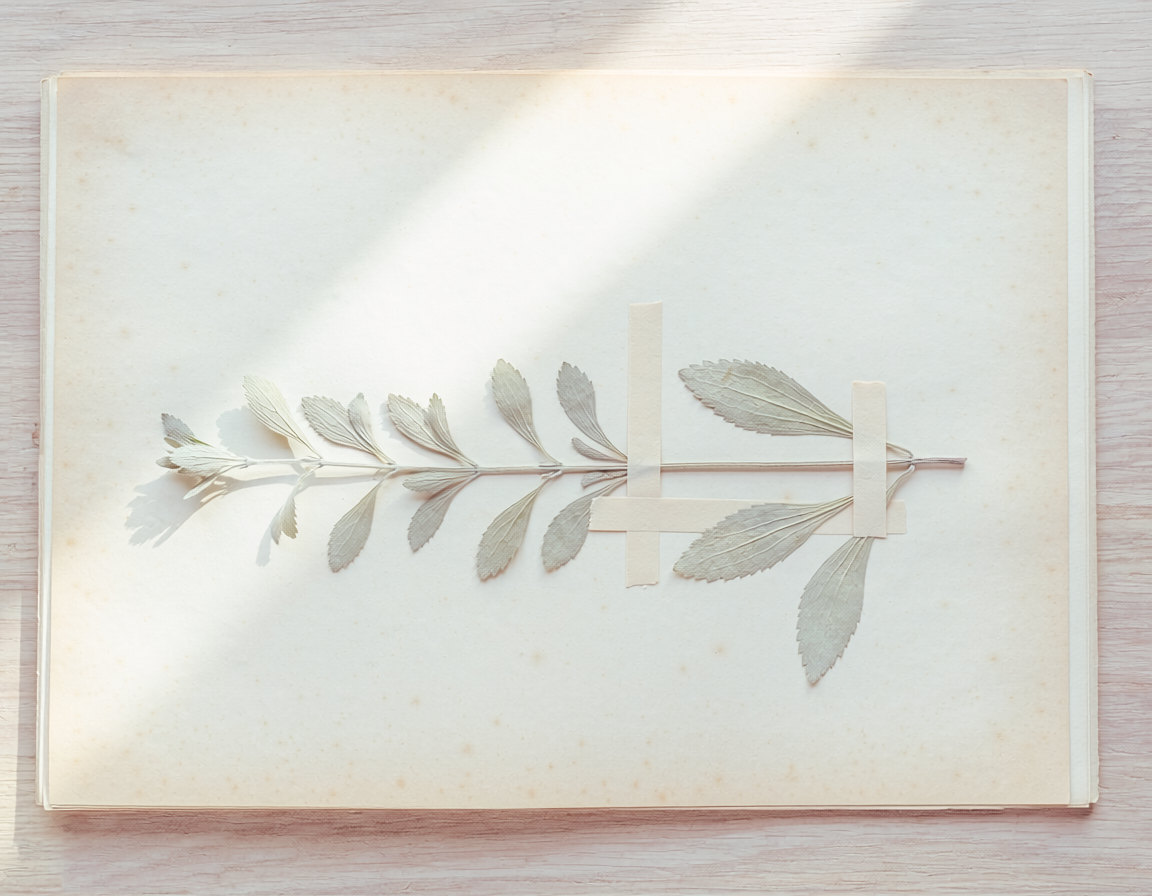
Stevioside
After centuries of wild harvesting, cultivation of the plant began in Paraguay at the beginning of the twentieth century. In 1931 stevioside, the sweet component, was successfully extracted. The extract proved safe for consumption. In diluted solution stevioside is about 300 times sweeter than sugar. For lack of the right technology it took more than thirty years before stevioside could be produced on a large scale.
Approval
Japan was the first country outside Paraguay where stevioside was produced on a large scale, partly because of the restriction on artificial sweeteners in 1970. In the early 1980s stevia was approved as a sweetener in Japan; China, Korea, Israel, Uruguay and Brazil soon followed.
Millions of consumers worldwide now use stevia as a natural sweetener: in tea and coffee, but also in dairy, soft drinks and sauces. Japan is still the largest user and in Brazil stevia is seen as “the sweetener of the future”.
Source: literature study by Janet de Jong